
A pro-Palestine hacking group called Handala says it broke into the car of an Israeli nuclear scientist and left a bouquet of flowers inside. The group posted photos and a short video that it claims were taken near the scientist’s home.
Handala says it placed a bouquet of flowers inside the scientist’s car. The message described the bouquet as “harmless at first glance” but “heavier than usual.” The group hinted that the weight was meant to signal that someone had been close to the car.

Handala hacking group published the message on a page titled “Dr. Isaac Gertz – Chief Nuclear Architect of the Zion Regime.” In the post, they claimed they had been tracking the scientist for years and said they were able to move close to him without detection. They also said their operation was the start of a bigger campaign.
The group repeated that it “walks in your streets” and can reach places the scientist believes are secure. The tone of the message was meant to unsettle him and raise questions about his personal safety.
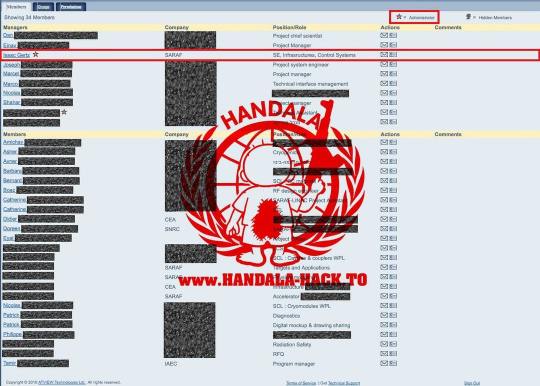
Handala also said it plans to publish information about senior personnel from Unit 8200, Israel’s main signals-intelligence and cyber unit. The group has leaked similar lists before, but none of the claims have been confirmed by Israeli officials.
At the same time, Handala released what it says is a list of names and phone numbers of people working in Unit 8200, Israel’s main signals intelligence and cyber unit. The group has published similar lists in the past, but Israel has not confirmed any of the information.
It is still unclear if anyone actually entered the scientist’s car. The claim might be part of a psychological tactic. Israeli officials have not commented.
Handala, a pro-Palestine hacking group has increased its activity since the start of the Gaza war. The group often targets Israeli systems, leaks data, or issues public threats. It recently offered money for information about people working in Israel’s defense industry.
For now, there is no public evidence that the group managed to get close to the scientist. But the message they sent was meant to raise doubts and fear. And that seems to be the point.